
7 Simple Habits That Can Instantly Improve Your Credit Score

Michael Anderson
Tuesday, October 14, 2025 at 8:06 AM EDT

How to Improve Credit Score
Your credit score reflects how well you manage money and debt. The main factors that influence it include payment history, credit utilization, length of credit history, types of credit, and new credit applications. You can steadily improve your credit score results by practicing good financial habits over time.
A strong credit score can make life easier. This affects your ability to qualify for loans, get approved for credit cards, and secure low interest rates. Even if your score isn’t perfect right now, consistent action can lead to noticeable improvements. Here’s how to improve credit score performance and keep it strong for the long term.
1. Make Payments on Time
Why It Matters
Your payment history makes up about 35% of your credit score, which is the most important factor. Every late or missed payment remains on your report for years and can drag your score down. Lenders want to see that you pay your bills on time every time.
How to Improve It
Set up automatic payments or calendar alerts to avoid missing due dates. If you’re short on cash, make at least the minimum payment to stay afloat. Even small, frequent payments help rebuild trust with lenders. Over time, regular on-time payments will significantly improve the strength of the credit score.
2. Keep Credit Card Balances Low
Why It Matters
Your credit utilization ratio, the percentage of available credit you are using, is about 30% of your total score. Using too much available credit indicates a higher risk, even if you make payments on time.
How to Improve It
Aim to keep your usage below 30%. If you can, pay the balance off early or make several smaller payments throughout the month. You can also ask for a higher credit limit to improve the ratio. The lower your balance, the faster you will improve your credit score results.
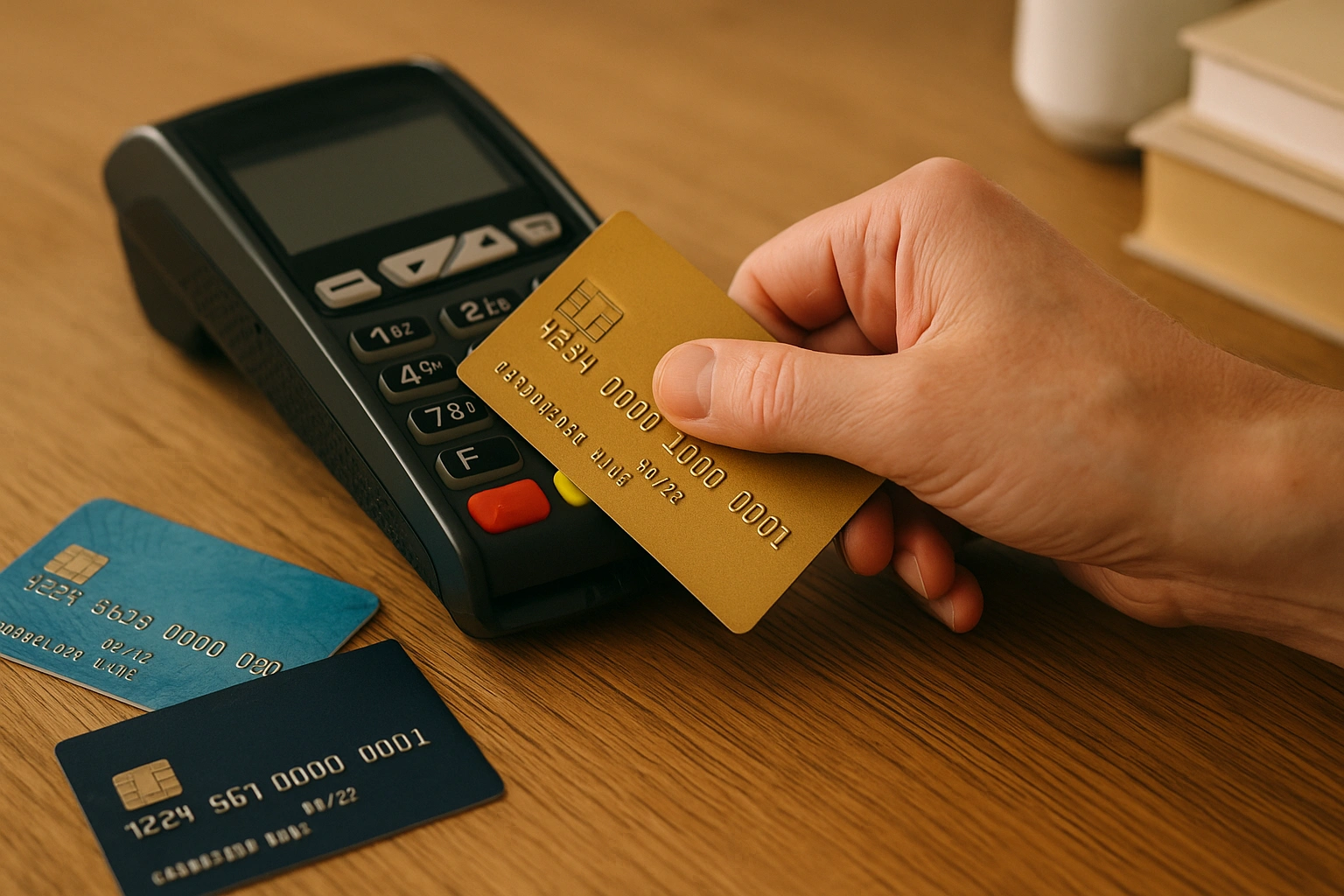
3. Keep Old Credit Accounts Open
Why It Matters
The length of your credit history makes up about 15% of your score. Older accounts indicate financial maturity and reliability. Closing them too early can reduce the average age of your account and reduce your total available credit.
How to Improve It
Keep your oldest credit cards open, even if you don’t use them often. Make small recurring payments, such as streaming subscriptions, to keep old accounts active. This can help you maintain your credit history and gradually improve the stability of your credit score.
4. Diversify Your Credit Mix
Why It Matters
A mix of credit types: credit cards, auto loans, mortgages, or student loans make up about 10% of your score. This shows lenders that you can manage multiple types of debt responsibly.
How to Improve It
Don’t rush into opening new accounts, but over time, taking out both revolving and installment loans can improve the diversity of your credit score. If you’re just starting, consider a secured credit card or credit-builder loan to quickly establish a history.
5. Limit New Credit Applications
Why It Matters
Every time you apply for credit, a hard inquiry appears on your report, lowering your score slightly. Multiple inquiries in a short period of time can put you a risk with lenders.
How to Improve It
Apply for new credit only when needed. If you’re shopping for a mortgage or auto loan, try to complete all applications within 30-45 days so they count as a single inquiry. When possible, check if the lender offers prequalification with a soft credit check that doesn’t impact your score.
6. Review and Dispute Credit Report Errors
Why It Matters
Incorrect information, such as old accounts or incorrect balances, can damage your credit score without you realizing it. Reviewing your reports regularly helps you catch and fix problems early.
How to Improve It
Get your credit reports from Equifax, Experian, and TransUnion and review them carefully. If you see any incorrect information, submit your dispute to the credit bureau immediately. Correcting these errors can increase your score by ensuring that your credit record reflects your true history.
7. Become an Authorized User

Why It Matters
If you’re building or repairing credit, it can help to become an authorized user on a trusted person’s credit card. Their positive payment history and low utilization can boost your own credit profile.
How to Improve It
Ask a family member or close friend with excellent credit to add you to your account. You don’t need to make a purchase; As long as the card is well managed, simply having an account can improve your credit score performance.
Building Better Credit Takes Time
Improving your credit score requires patience, but every good habit gets you closer to your goal. Making payments on time, keeping balances low, and regularly checking your reports work together to strengthen your credit over time. Be consistent, and you’ll not only improve your credit score but also gain the financial freedom and confidence that comes with it.
Your credit journey is a long-term commitment, not a quick win. Progress may seem slow at first, but the results are permanent. Every smart decision, whether it’s paying off debt, keeping old accounts open, or reviewing your credit report, helps shape a stronger financial future. Remember, lenders reward consistency and responsibility. The key is to be proactive and informed about your credit habits. Want to pay less in interest and keep more of your money each month? Learn practical ways to negotiate better rates and manage debt smarter. Read our full guide on Lower Your Credit Card Interest Rate.
FAQs About How to Improve Credit Score
1. How long does it take to improve a credit score?
It depends on your situation. Small improvements can show within a few months, but major changes, like recovering from missed payments, may take six months to a year of consistent good habits.
2. What’s the fastest way to improve a credit score?
Paying all bills on time and lowering your credit card balances are the two quickest ways to improve your credit score. Even a small drop in utilization can make a noticeable difference.
3. Does checking my credit score lower it?
No. Checking your own credit score is considered a soft inquiry and doesn’t affect your score. It’s actually a good habit to track your progress regularly.
4. Is it bad to have multiple credit cards?
Not necessarily. Having several credit cards can help improve your credit score health if you manage them responsibly. Just keep balances low and make payments on time.
5. Should I pay off all my credit cards at once?
If you can, yes, but what matters most is keeping your utilization low. Paying off balances in full each month is ideal, but even reducing high balances can gradually improve your score.
Trending Insights
Discover the smartest credit card solutions designed to simplify payments and reward your lifestyle