
Credit Card Terms Explained: APR, Grace Periods, and Fees

Michael Anderson
Monday, June 23, 2025 at 4:42 AM EDT
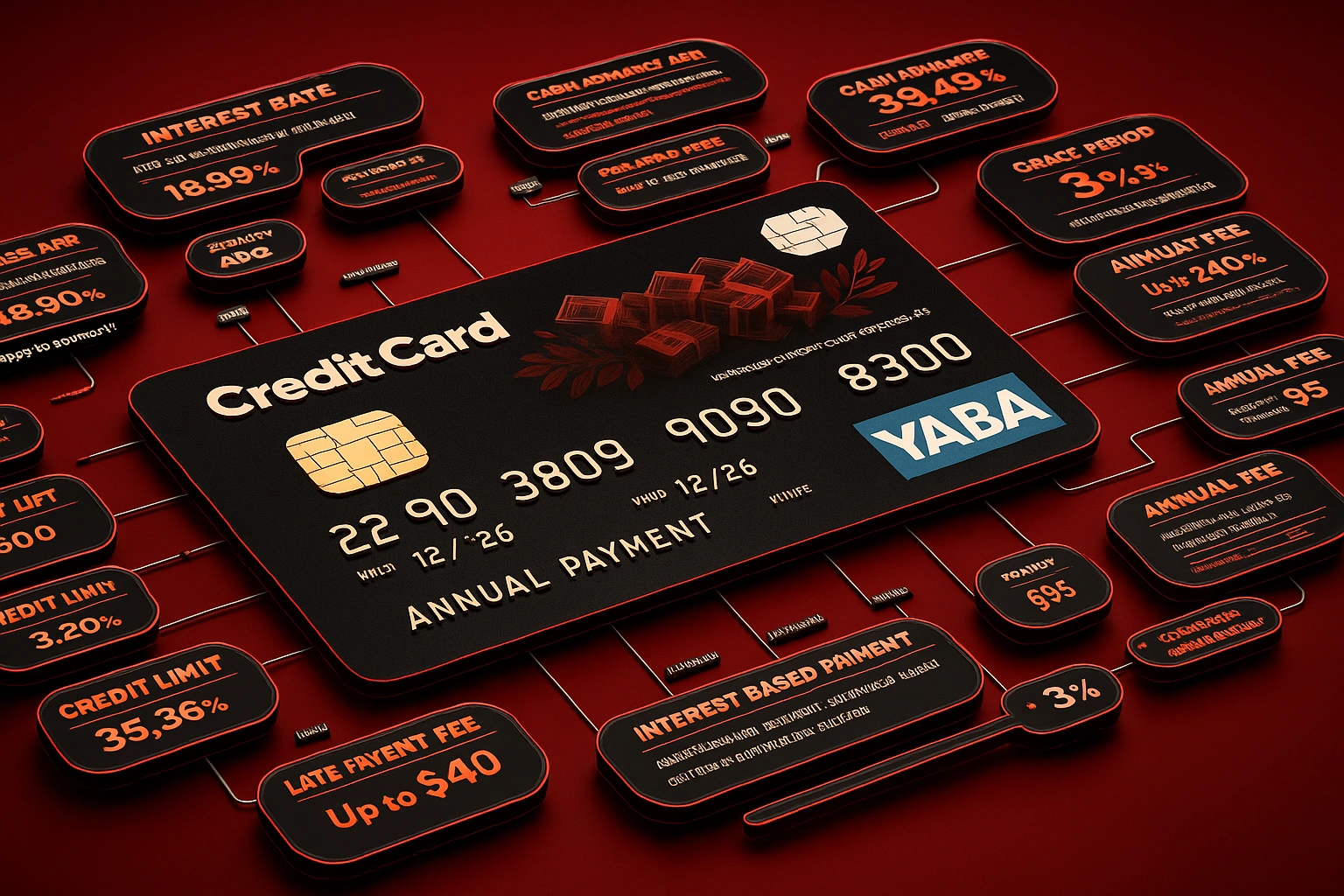
Credit Card Terms Explained: APR, Grace Periods, and Fees
Credit card terms explained in simple words can make all differences when you are starting. Credit cards are useful tools for shopping, creating and sometimes earning awards. But when you get your first card, all different words and small prints can feel heavy. If you are not sure that phrases like “Apr,” “Grace period,” and “fees” actually mean, you are not alone.
In this guide, you will find the words explained in easy language, so that you can use your card with confidence. It is easy to feel while reading your first statement. There are many numbers and dates to remember. You can worry about remembering a payment or making too much payment in interest. Even a mistake can cost you money.
That is why it is important to learn the basics before you start spending. Understanding these conditions helps you to avoid expensive surprises. You know how to manage your balance and keep your account in good position. With correct knowledge, using credit cards can be safe and stress-free.
Why Credit Card Terms Matter for Your Financial Health
Credit card conditions can affect your money in many ways. If you understand them, you avoid allegations of surprise and know how much interest you pay. You can see hidden fees before they are, which helps you make clever options. This means that you keep more money in your pocket and protect your credit score at the same time.
By knowing these conditions, you come under control. You can make a better plan of your payments and avoid getting into debt. You know what to do every month, so you choose the best card for your needs. With this knowledge, you feel more confident using your credit card. You buy every purchase wisely. You live at the top of your finance.
What Is APR? The Truth About Interest Rates.
APR means Annual Percentage Rate. It shows the yearly cost to borrow money with your credit card. If you don’t pay your full balance each month, you pay interest at this rate. Check this guide from Investopedia to see more details about APR and how it’s calculated.
There are different types of APR:
- Purchase APR: This rate applies to things you buy.
- Balance Transfer APR: This rate applies if you move debt from one card to another.
- Cash Advance APR: This rate is for taking cash from your card. It’s usually higher.
- Penalty APR: If you pay late, your rate can go up to this higher amount.
When you see credit card terms explained, APR is typically listed first. It shows how much using your card can really cost. Always check and compare APRs before picking a card. Lower APR means you pay less interest. Knowing APR helps you avoid surprise charges.
How Grace Periods Work
A grace period is extra time to pay your bill. It starts when your billing cycle ends. It ends on your payment due date. Most cards give you 21 to 25 days. If you pay the full balance, you pay no interest. If you pay late or pay less, you lose the grace period. Then, interest starts right away. You may lose the grace period for the next month too.
Grace periods are for purchases only. They do not cover cash advances or balance transfers. Some cards have no grace period at all. Always check your card’s rules. Pay your balance in full every month. Set reminders to pay on time. This helps you avoid interest. Using the grace period saves you money. This is an important credit card term explained in simple words.
The Different Types of Credit Card Fees
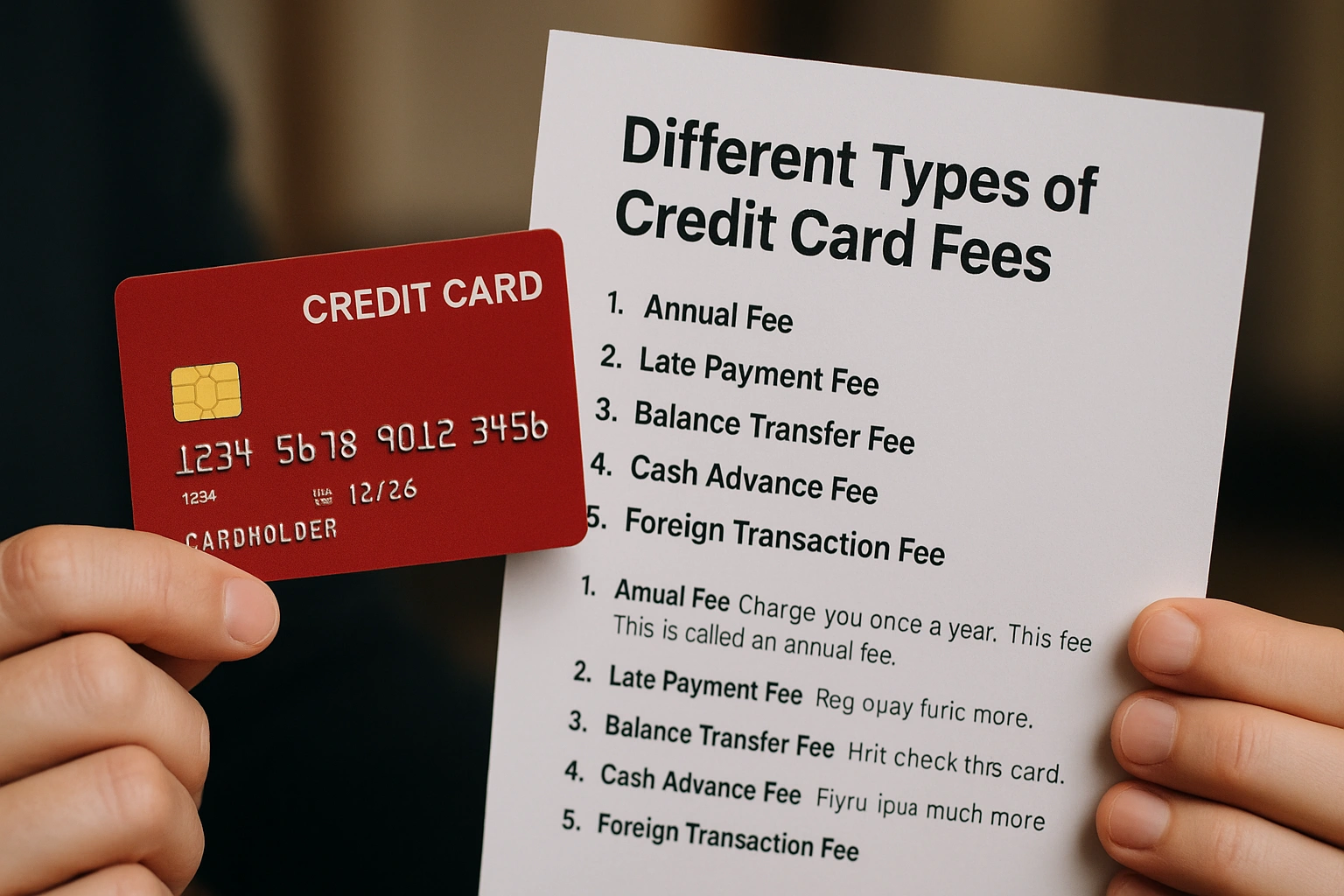
When you see credit card terms explained, fees are always significant. Fees can show up when you least expect them. It’s good to know what they are before you use your card.
- Annual Fee
Some cards charge you once a year. This is called an annual fee. You usually get rewards or special perks for paying it. Not every card has this fee. If you don’t use the rewards, look for a card with no annual fee. - Late Payment Fee
If you pay late, you get a fee. This fee can be $25, $35, or even more. Late payments can also hurt your credit score. Always pay on time to avoid this extra cost. - Balance Transfer Fee
Moving debt from one card to another costs money. The fee is often 3% to 5% of the amount you transfer. Sometimes cards offer special deals with low fees for new customers. Always check the terms before transferring a balance. - Cash Advance Fee
Using your card to get cash costs extra. You pay a cash advance fee. Plus, interest starts right away. There is no grace period for cash advances. These fees and interest rates are usually high. - Foreign Transaction Fee
If you use your card outside your country, you may pay extra. This fee is typically 1% to 3% of each transaction. Some cards don’t charge this fee, so check before you travel.
Other Possible Fees: Some cards also charge over-limit fees if you go past your credit limit. There might be returned payment fees if your payment bounces. Always read your card’s fee chart. Knowing these fees helps you avoid unwanted costs and use your card wisely.
What Is a Minimum Payment?
Every month, you get a credit card statement. It shows how much you owe. It also lists your minimum payment. This is the smallest amount you must pay by the due date. Paying it keeps your account active and avoids late fees.
But if you only pay the minimum, interest adds up on the rest of your balance. It can take years to pay off your debt this way. The total cost can grow quickly. You will pay much more in interest over time.
Try to pay your full balance each month. If you can’t, pay as much as possible above the minimum. This will help you save money. You will get out of debt faster. Knowing how minimum payments work is an important credit card term explained in simple words.
What Does Variable vs. Fixed APR Mean?
A variable APR means your interest rate can change. It often goes up or down with the prime rate. This means your costs may change over time. You might pay more one month and less another month.
- A variable APR can save you money if rates go down, but cost you more if rates go up.
- A fixed APR is more stable, but sometimes starts higher than the lowest variable rates.
A fixed APR stays the same for most of the time. Your payments are easier to predict. But credit card companies can still change your fixed rate. They must give you advance notice if they do.
Most credit cards today use variable APR. Always read your card agreement to know which type you have. If you want steady payments, look for a card with fixed APR. If you don’t mind changes, variable APR might work for you. Knowing this term helps you plan and avoid surprises.
Tips to Use Your Credit Card Wisely
Knowing credit card terms explained is just the first step. You also need good habits to keep your credit safe. A credit card is a powerful tool, but it must be used with care. These tips will help you avoid mistakes and build strong credit.
- Always pay your statement balance in full. This way, you avoid interest charges.
- Avoid cash advances unless it’s an emergency. Cash advances come with high fees and interest.
- Don’t spend up to your credit limit. Try to keep your balance low.
- Set up payment reminders. This helps you pay on time and avoid late fees.
- Review your statements each month. Check for errors or any charges you didn’t make.
Following these simple steps will protect your money. Good credit card habits save you from debt and stress. With smart use, your credit card can be a helpful part of your financial life.
Take Control with Credit Card Knowledge
When you have credit card terms explained in simple words, you stay in control. You avoid common mistakes and save money. Always read your card agreement carefully. Ask questions if something is not clear. Never be afraid to call your card company.
Even if you’re new to credit, you can make smart choices. If you want to be a better spender, knowing these basics will help. Simple knowledge protects your wallet. Each step you take helps you build strong credit. Use what you know to make good decisions every day. If you want to learn more about borrowing options, check out our guide on personal loans.
Frequently Asked Questions About Credit Card Terms
1. What is an introductory APR?
It’s a special low rate offered for a limited time (usually 6–18 months) on purchases or balance transfers.
2. Can credit card fees be waived?
Sometimes! You can call your issuer and ask, especially if you have a good payment history.
3. What happens if I pay late?
You might be charged a late fee and your APR could go up to the penalty rate.
4. Are all credit card terms the same?
No. Always check your card’s terms and conditions, since each issuer has different rules.
Trending Insights
Discover the smartest credit card solutions designed to simplify payments and reward your lifestyle